Virtual Reality (VR)
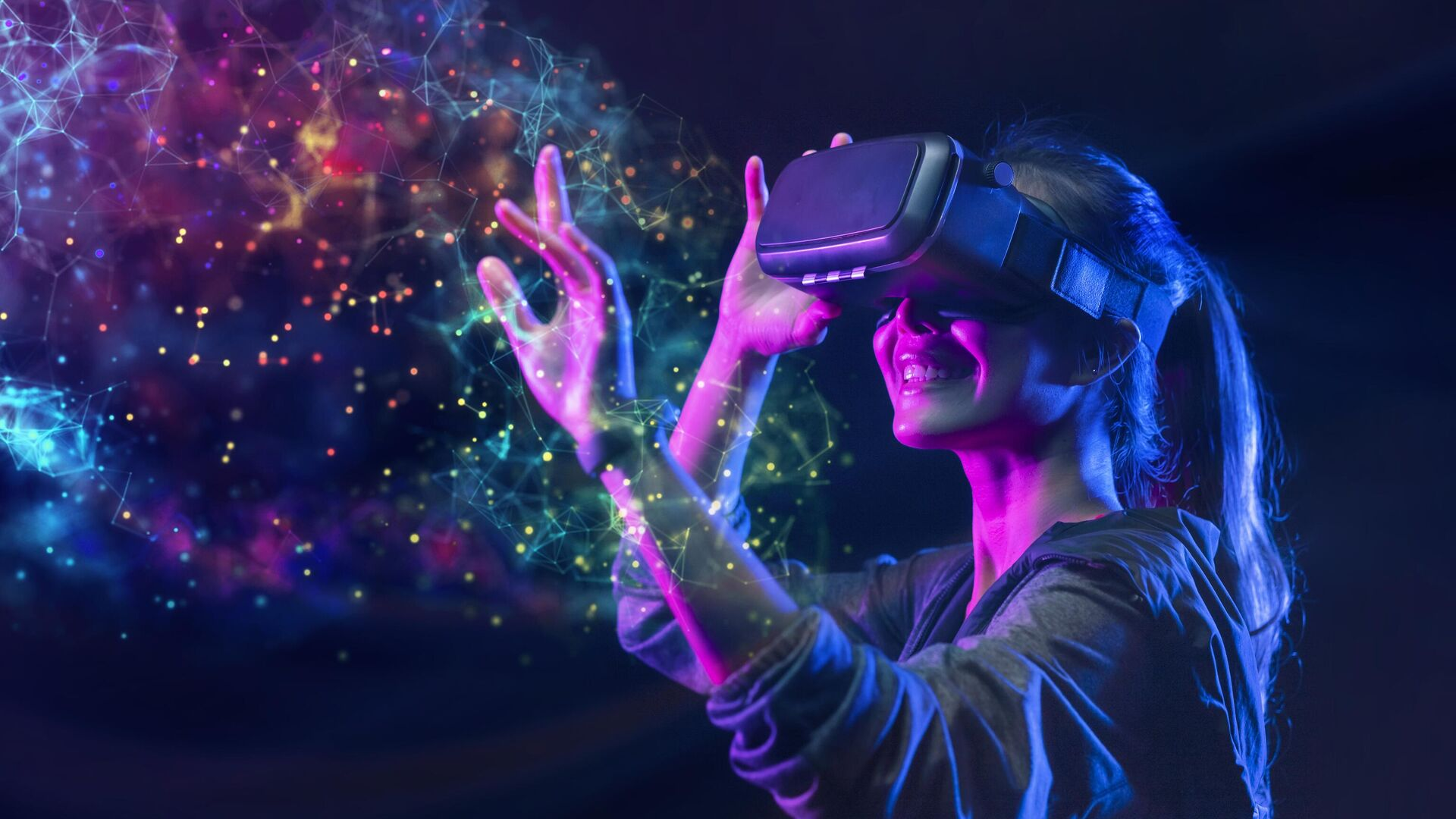
Virtual reality (VR) is no longer just a futuristic concept but a transformative force in education. By 2025, VR will transform classrooms, universities, and vocational training. It offers students and educators immersive, interactive learning. VR creates engaging experiences and helps students understand complex concepts.
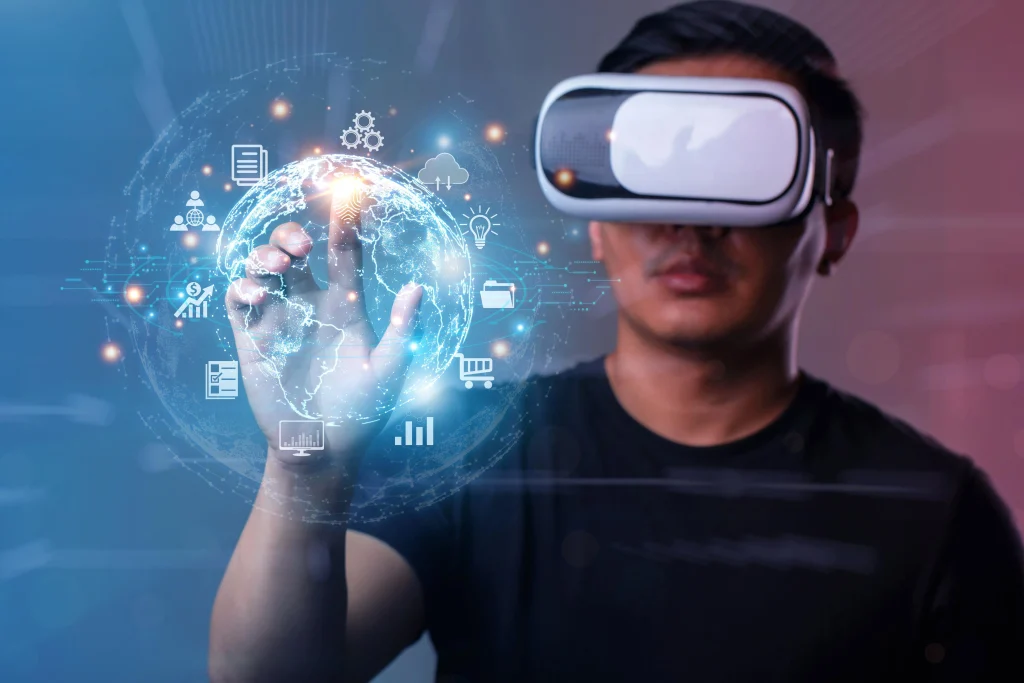
The Current Impact of VR in Education
In recent years, VR has already started making waves in educational institutions. It is being used across a variety of fields like medicine, history, engineering, and the arts, allowing students to experience subjects in a more hands-on and engaging manner.
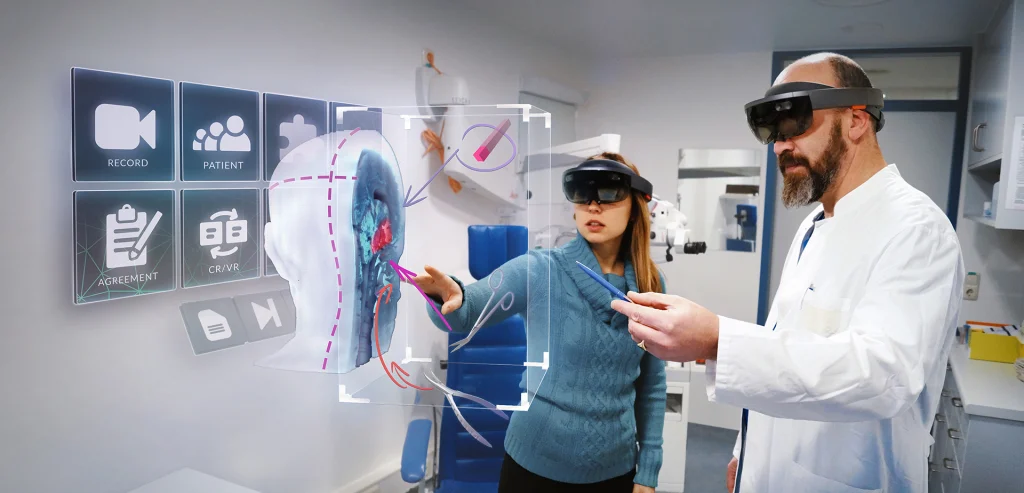
For example, medical students can practice surgery in a risk-free environment, refining their skills before stepping into the operating room. History students can virtually explore ancient civilizations, gaining a deeper understanding of the past by experiencing it firsthand. As VR technology continues to advance, it holds the potential to reshape the entire educational landscape.
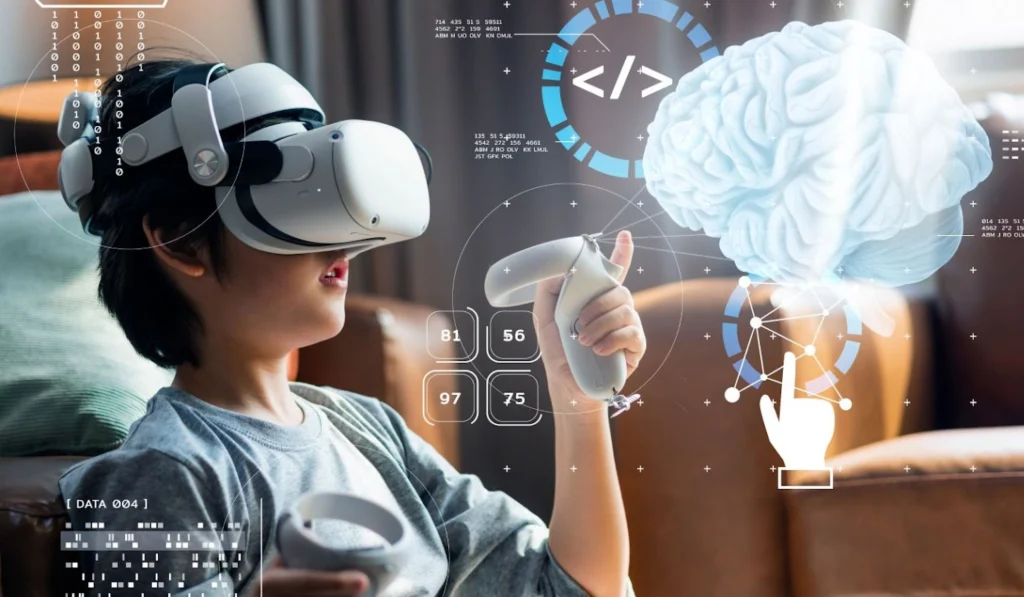
Benefits of Virtual Reality in Education
Following are the benefits of VR in the education sector:
Immersive Learning Experiences
Virtual reality provides students with immersive, interactive learning environments that go beyond textbooks and lectures. Whether they are exploring the human body, walking through ancient cities, or performing complex science experiments, VR turns abstract concepts into tangible experiences.
Experts agree that this immersive learning approach significantly improves knowledge retention. Dr. Elizabeth Johnson, an educational technology specialist, explains, "When students experience something firsthand in a virtual setting, they are more likely to remember and internalize the information."
Enhancing Accessibility and Inclusivity
VR offers a significant opportunity to make education more inclusive. Students with disabilities, those in remote locations, or individuals unable to attend school physically can still access educational content through virtual classrooms.
VR technology allows these students to participate in virtual field trips, interact with teachers and peers, and access resources they would otherwise miss. This capability is expected to play a key role in making education more equitable.
Customized Learning Paths
Every student learns differently, and VR technology enables teachers to create personalized learning paths that cater to individual needs. Whether a student learns best by visualizing concepts or interacting hands-on, VR can adapt to ensure maximum engagement.
For example, a student struggling with math can navigate through problems in a 3D virtual world, making it easier to understand complex mathematical concepts. The ability to customize learning experiences makes VR a powerful tool for personalized education.
Expert Views on the Future of VR in Education
As VR technology continues to improve, education professionals are optimistic about its long-term potential. Dr. Michael Brown, a professor at Stanford University, believes, "By 2025, VR will not just be an added tool in the classroom; it will be central to how we educate."
Furthermore, VR is set to revolutionize vocational and adult education by offering practical, real-world training simulations. Professions like piloting, engineering, and healthcare will benefit from realistic training environments where learners can practice skills safely and repeatedly. Experts predict that VR will significantly reduce the costs and time associated with traditional training programs.
Pro Tips for Educators Using VR in the Classroom
For educators eager to adopt VR in their teaching, here are some practical tips to get started:
- Start Small: Begin by introducing one VR lesson or module to your classroom. This will help gauge student reactions and familiarize them with the technology.
- Focus on Engagement: Use VR as a supplement to traditional methods, combining interactive virtual experiences with other types of learning.
- Choose Quality Content: Ensure the VR content aligns with your curriculum and enhances the educational experience.
- Promote Collaboration: Many VR platforms allow for collaboration in virtual environments. Encourage students to work together and solve problems as a team in a VR setting.
Future Trends in VR Education by 2025
Looking ahead, several key trends are expected to influence the role of VR in education:
More Affordable and Accessible
As VR technology becomes more advanced, the cost of both hardware and software will decrease. This will make VR tools more accessible to a broader range of educational institutions, including public schools and underfunded systems.
AI Integration for Personalized Learning
The combination of AI and VR will make learning more adaptive. AI can track student progress and adjust VR lessons to better meet their learning pace and style, creating a personalized educational journey for each student.
Expansion of Virtual Campuses and Remote Learning
The rise of the metaverse will likely lead to virtual campuses where students can attend classes and interact with peers and instructors. This trend will make it easier for students from around the world to connect and learn together in a virtual space.
Enhanced Real-World Simulations
By 2025, VR-powered simulations will become even more advanced, allowing students to practice complex tasks like surgery, mechanical repairs, or flight navigation in safe, cost-effective environments. These simulations will better prepare students for real-world challenges in their chosen professions.
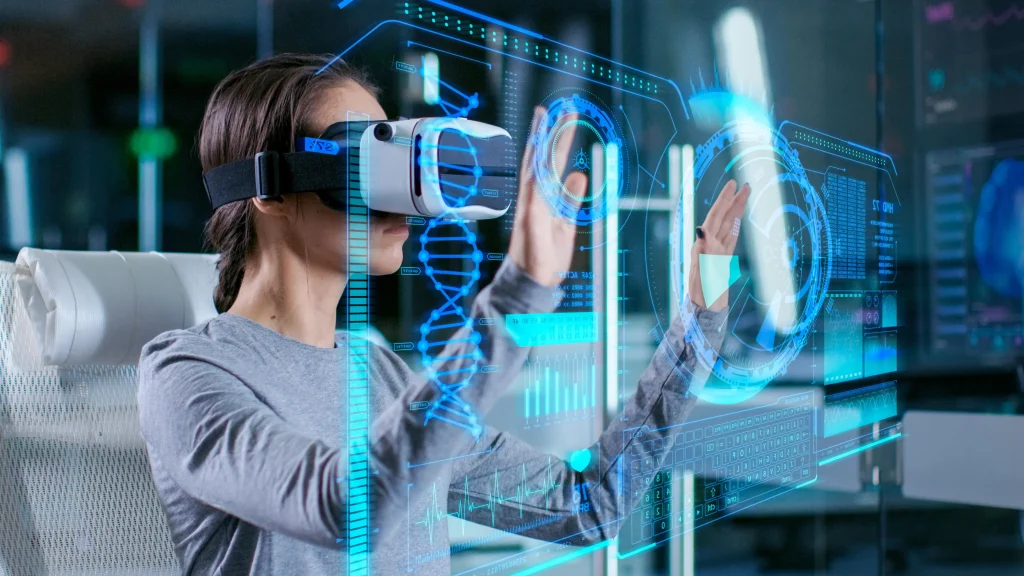
Do You Know
Conclusion
Virtual reality is poised to transform education by offering immersive, accessible, and customized learning experiences. By 2025, we can expect VR to become an essential part of education, both in traditional classrooms and vocational training. Challenges such as cost and content development remain, but the potential benefits of VR, ranging from increased student engagement to enhanced accessibility, make it an exciting technology for the future of education.