
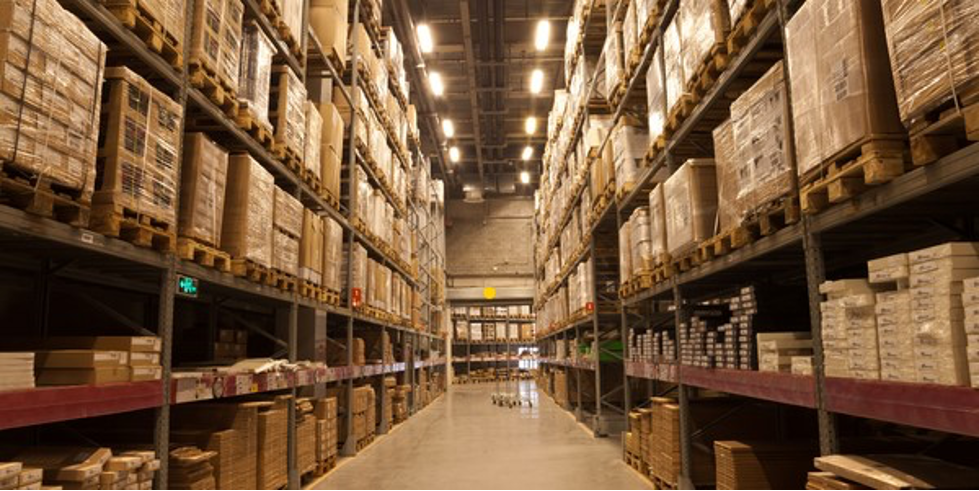
Industrial Racks
Industrial racking stands as a cornerstone storage solution used across warehouses, logistics centers, and retail spaces. These systems offer versatile configurations, combining various rack types into cohesive systems made from industrial rack components. They can store all kinds of goods, from heavy loads to fragile items. With so many options available, choosing the right system for your organization's needs can be challenging, yet this important logistics decision has a major impact on operational efficiency.
1. What items are you organizing within the slots?
In warehouse and logistics settings, "slotting" describes the strategic placement and arrangement of inventory throughout a facility. It involves deciding the best position for each item based on its dimensions, weight, order frequency, and ease of retrieval.
For example, fast-moving products may be placed in convenient spots close to dispatch zones to reduce picking time, while slower-moving items can occupy less accessible zones to maximize space.
Fundamentally, slotting aims to boost warehouse productivity by making sure inventory sits in the most suitable locations according to item characteristics and purchasing patterns.
2. Do pallets play a role in your strategy?
Managing inventory effectively demands a storage system that matches your requirements. If you move large quantities of palletized goods, an industrial racking system designed for pallet storage is essential. It keeps everything organized and easy to retrieve, improving warehouse productivity.
The Pallet Shuttle is a good example. Unlike conventional storage, it uses a semi-automated approach to pallet handling. Its automation and refined structure make it an excellent option for businesses managing large pallet volumes, increasing output, freeing up space, and strengthening warehouse performance.
3. Choosing Between FIFO and LIFO
Finding the ideal industrial storage system starts with clear priorities. Conventional racking is designed for FIFO (first-in, first-out) stock rotation, while push-back systems are best for LIFO (last-in, first-out) pallet flow. Our advice: don't rush the decision. Speak with storage specialists who can offer useful perspectives, so the choice benefits your bottom line.
4. Handling equipment
When modernizing or redesigning a warehouse, assessing your equipment needs is vital. Do you have the right equipment to move your goods smoothly? If forklifts are part of the operation, prioritize warehouse safety by choosing compatible racking and following forklift safety protocols.
5. Is your warehouse temperature adequate?
Evaluating your warehouse's environmental conditions is fundamental to protecting product quality. Some storage environments experience humidity and require special maintenance and compliance with specific standards. A business storing goods at sub-zero temperatures, for example, must make sure its racking meets current food-handling standards.
6. How large is your warehouse?
Floor space and ceiling height are among the most important factors. They determine which racking system fits your storage capacity. Off-the-shelf products can be adapted to many warehouses, but they won't always meet your business requirements. Every warehouse and distribution operation is unique, shaped by its own processes, which in turn shape its storage needs.
Companies like Rack Expert Engineering supply tailored racking systems for a wide range of warehousing requirements.
Conclusion
| Rack suppliers by location |
|---|
| Rack in Islamabad |
| Rack in Faisalabad |
| Rack in Lahore |
| Rack in Karachi |
| Rack in Multan |
| Rack in Peshawar |
| Rack in Gujranwala |
| Rack in Sialkot |
| Rack in Rawalpindi |
Selecting the right racking system for your warehouse is an important decision that directly affects performance. Consider temperature, floor space, ceiling height, and your industry's storage requirements.
While ready-made products sometimes meet requirements, custom racking delivers tailored solutions that maximize capacity, ensure safety, and boost output. By carefully reviewing your needs and working with established suppliers, you'll find the right storage system to increase capacity, meet safety standards, and support productive warehouse operations.