

As we approach 2025, addressing climate change has become increasingly urgent. Rising global temperatures, intensifying extreme weather, and stressed ecosystems demand critical action. This year will significantly influence strategies for reducing climate change's impact.

Renewable Energy
The transition from fossil fuels to renewable sources remains central to climate mitigation efforts. Solar, wind, and hydropower will expand their role in global energy production by 2025, reducing greenhouse emissions and supporting sustainable energy development.
Governments, industries, and communities must continue investing in renewable technologies, energy storage, and supporting infrastructure to make these solutions more affordable and widely accessible.
Implementing Carbon Pricing and Market Solutions
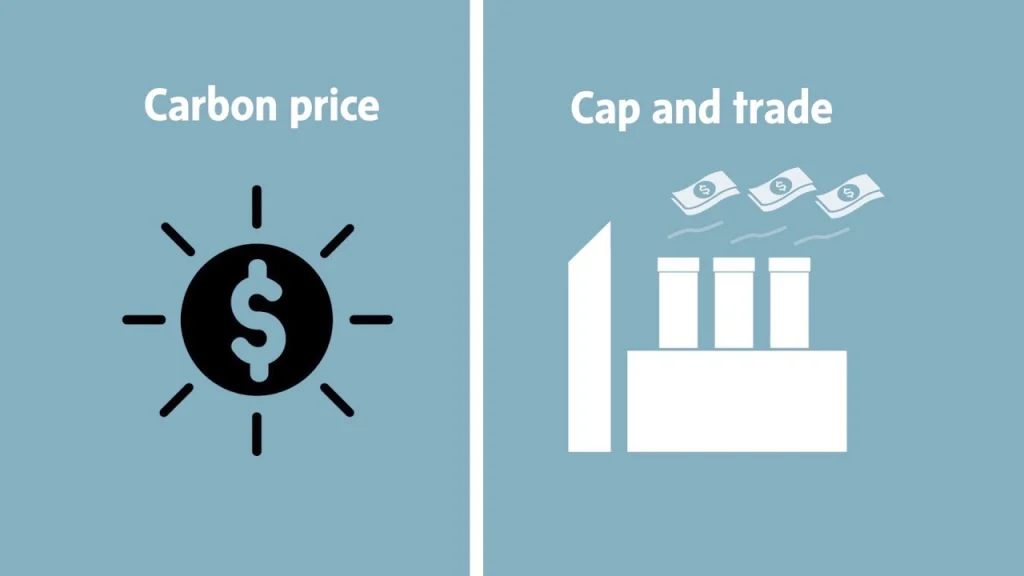
Carbon pricing mechanisms, including carbon taxes and cap-and-trade systems, are gaining global traction. These approaches assign financial costs to emissions, incentivizing businesses and individuals to reduce their carbon footprints.
By 2025, broader adoption of carbon pricing could drive cleaner energy adoption. Revenue from these policies can support sustainable projects and environmental preservation initiatives.
Electrification of Transportation
Transportation significantly contributes to global emissions through gasoline and diesel vehicles. Electrifying this sector represents a major milestone for 2025, driven by growing electric vehicle (EV) adoption and sustainable public transportation expansion.
Governments should establish strict regulations limiting carbon emissions from traditional vehicles. Automakers are investing substantially in EV technology. Expanding EV charging infrastructure will make electric vehicles more accessible, reducing the transportation sector's carbon footprint.
Reforestation and Carbon Sequestration
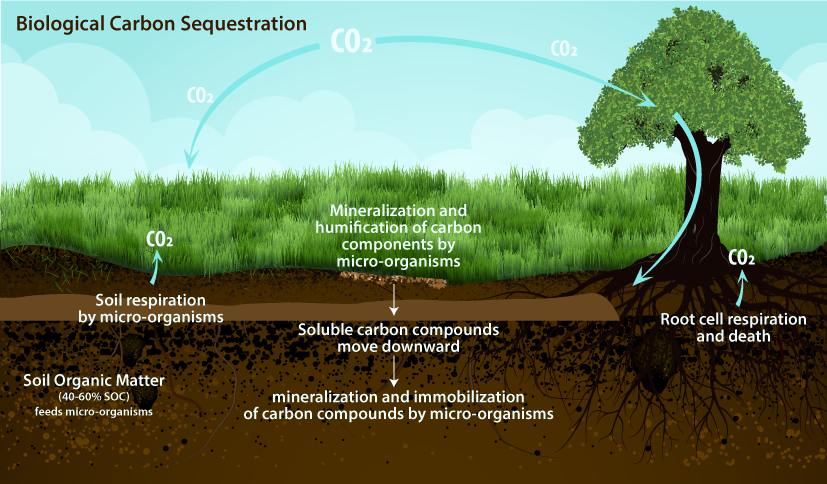
Forests absorb carbon dioxide and help mitigate climate impacts. However, deforestation has diminished this capacity. Reforestation momentum is expected to accelerate by 2025 through global initiatives restoring degraded landscapes.
Carbon capture and storage (CCS) technologies will expand their role in emissions reduction. These innovations capture carbon from industrial processes for underground storage or repurposing, potentially offsetting difficult-to-decarbonize sectors like cement and steel manufacturing.
Sustainable Agriculture and Food Systems
Agriculture generates significant greenhouse gas emissions through livestock farming and deforestation. By 2025, sustainable agricultural practices, including regenerative farming and agroforestry, will gain momentum, promoting soil health and reducing emissions.
Plant-based diets and lab-grown meats will rise in prominence, offering lower-environmental-impact alternatives to resource-intensive animal farming and advancing toward a reduced-carbon food system.
Climate Adaptation and Resilience
While emissions reduction is essential, adapting to climate change's effects is equally important. Rising sea levels and extreme weather events demand nations invest in climate-resilient infrastructure and systems.
By 2025, cities will implement green infrastructure like flood barriers and urban forests to address climate-related risks. Agricultural technologies such as water-efficient irrigation and crop diversification will prove vital for maintaining food security.
International Collaboration and Policy Action
Climate change's global nature requires international cooperation. The Paris Agreement and other climate policies will drive collective warming-limitation efforts through 2025. Nations must strengthen commitments and align policies with current scientific evidence.
UN Climate Change Conferences and global summits will facilitate collaboration and ensure accountability for climate actions.
Conclusion
2025 represents a pivotal moment in fighting climate change. Success depends on implementing renewable solutions, adopting carbon pricing, electrifying transportation, restoring ecosystems, and strengthening international collaboration. Through decisive, coordinated action, we can establish a sustainable future for coming generations.