
Marketing has always played a key role in helping businesses attract customers, increase sales, and build brand recognition. Over time, however, the marketing landscape has changed dramatically. For many years, traditional marketing methods such as billboards, radio advertisements, newspaper ads, and television commercials were the main ways companies reached their target audience. These methods are still used today, but the rise of internet usage, social media, and mobile devices has introduced a faster and more measurable approach known as digital marketing. With both options available, many businesses face the question of digital marketing vs traditional marketing to determine which approach works best and delivers a stronger return on investment. Understanding the differences between the two helps companies make smarter decisions based on their goals, audience, and budget.
What is Traditional Marketing?
Traditional marketing refers to advertising techniques that existed before the internet became widespread. These methods include newspaper ads, flyers, television commercials, radio promotions, direct mail, and outdoor billboards. Most people are familiar with these channels because they have been used for decades and remain visible in everyday life. Traditional methods aim to reach a broad audience by placing ads in locations where people are likely to notice them. While this can create brand awareness, it also means businesses may pay to advertise to people who are not potential buyers.
Calculating the performance of a campaign can be challenging because marketers cannot track exactly how many people saw an ad or made a purchase as a result. In the ongoing discussion of digital marketing vs traditional marketing, traditional methods still hold value in certain industries and regional markets. They are especially effective where personal engagement or local presence is important.
What is Digital Marketing?
Digital marketing is the promotion of products and services through online platforms such as social media, websites, email campaigns, mobile apps, and search engines. Instead of broadcasting a message to everyone, digital channels allow businesses to reach a more specific audience that is likely to be interested in what they are selling. One of the biggest advantages of digital marketing is that brands can track user behavior in real time, including clicks, website visits, and conversions. This helps companies analyze what is working and optimize their campaigns based on performance. Digital marketing also allows small businesses to compete with larger companies because online advertising often costs less than running a television or newspaper campaign. As more consumers spend time online, digital marketing continues to expand rapidly and has become essential for business growth.
Key Differences Between Digital and Traditional Marketing
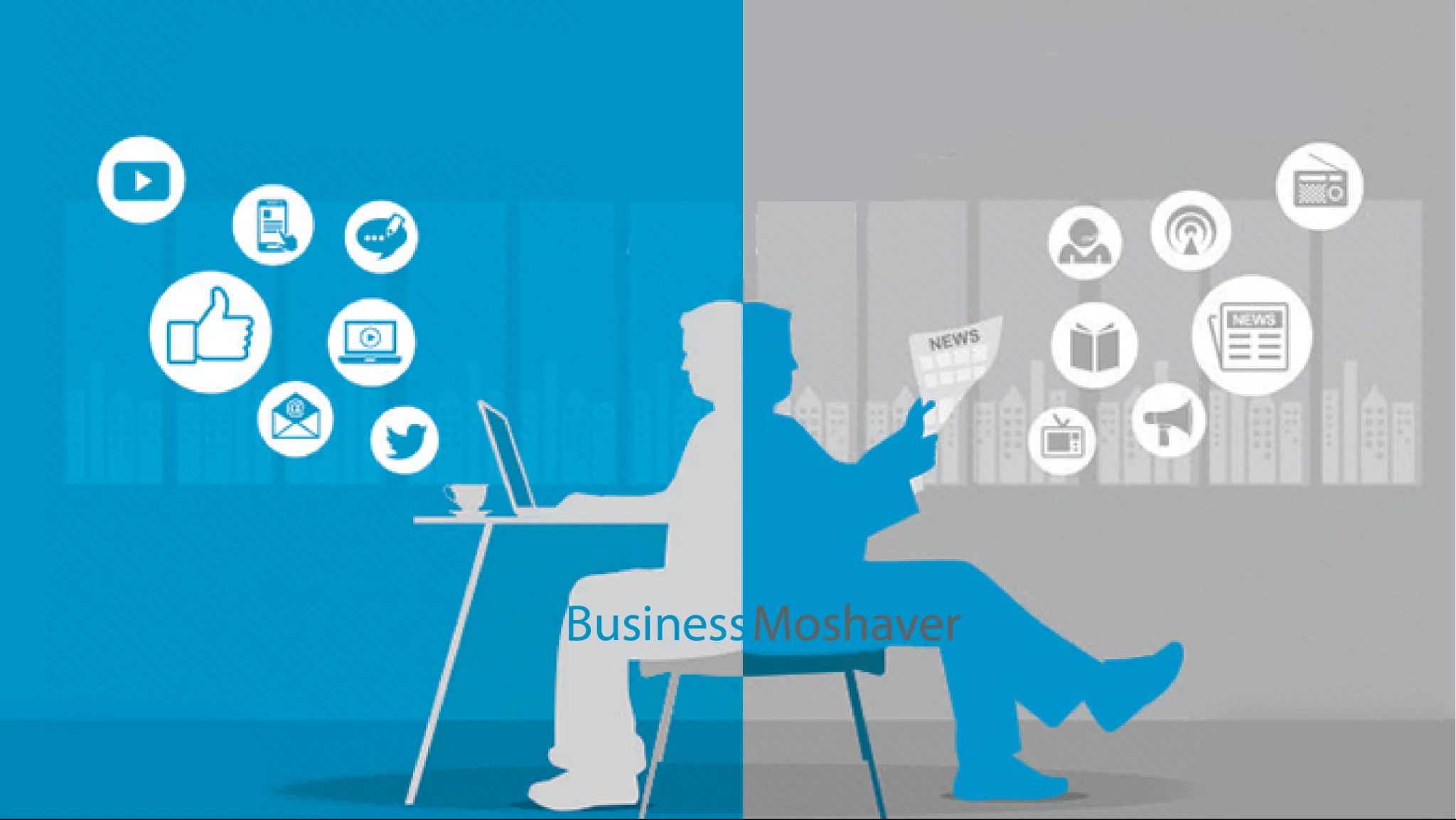
Businesses today often debate which approach is more effective: the broad reach of traditional media or the targeted precision of digital channels. To highlight the contrast, here is a single quick comparison:
Traditional marketing focuses on mass outreach through offline media, while digital marketing targets specific audiences through online platforms and provides real-time performance tracking.
This difference has a huge impact on marketing results, cost, and the ability to measure success. In the debate of digital marketing vs traditional marketing, traditional methods tend to push messages outward and rely on broad visibility, whereas digital marketing attracts customers through personalized communication, engaging content, and data-driven targeting.
Cost and Budget Considerations
One of the biggest differences in digital marketing vs traditional marketing is how much businesses need to spend. Traditional marketing can be expensive because television ads, newspaper placements, and billboard rentals often require significant upfront investment. Smaller companies may struggle to afford these channels, especially when results are uncertain. In contrast, digital marketing allows businesses to set flexible budgets and spend according to their goals. Whether a company wants to run a campaign for a week or several months, digital platforms accommodate campaigns of all sizes. Even a small budget can generate meaningful results when used strategically. Another cost advantage is that digital channels help avoid wasted impressions, as messages reach people who have shown interest or searched for related products. Over time, this leads to higher efficiency and stronger returns on investment.
Audience Targeting and Reach
Traditional media is excellent for reaching a large audience, especially in areas where internet access is limited. For example, billboard advertising along a busy highway or a radio commercial during peak hours can quickly reach thousands of people at once. However, businesses have little control over who sees the advertisement, meaning the message may reach people who have no need for the product. Digital marketing offers more detailed targeting options such as age, gender, location, interests, buying behavior, and search history. This helps businesses show their ads only to potential buyers rather than a general population. It also makes customer engagement easier because online platforms allow direct interaction through comments, messages, and email communication. When audiences feel heard and connected, brand loyalty grows naturally.
Measurability and Campaign Tracking
One of the biggest challenges in digital marketing vs traditional marketing is measuring campaign results. With traditional marketing, brands can estimate how many people read a newspaper or pass by a billboard, but they cannot accurately track how many of those impressions turned into sales. Digital marketing solves this problem by offering real-time analytics. Businesses can monitor website traffic, clicks, engagement, conversions, and customer behavior instantly. If a campaign isn’t performing well, adjustments can be made immediately rather than waiting until it ends. This level of performance visibility allows businesses to continually refine their strategy and allocate budgets more effectively. Over time, digital marketing provides valuable data that informs decision-making and supports long-term planning.
Which One is Better for Businesses Today?
Both digital and traditional marketing have strengths, and the right choice depends on the business type, customer base, and marketing goals. Companies targeting a local audience with limited internet usage may still benefit from traditional methods such as flyers or local radio ads. In contrast, businesses that want precise targeting, measurable performance, and cost-efficient growth will generally find more value in digital marketing strategies. Many successful brands today use a hybrid approach that blends both methods to maximize reach and engagement. Integrating online and offline advertising ensures strong brand visibility and helps businesses connect with customers wherever they are spending their time. As digital usage continues to grow, however, online marketing has become essential for staying competitive and relevant.
Summary
The debate of digital marketing vs traditional marketing reflects how the business world has evolved over time. Traditional marketing offers familiarity, mass exposure, and regional visibility, while digital marketing delivers targeted reach, measurable results, and flexible budgeting. For most modern businesses, digital channels provide stronger returns and more strategic control, especially as consumer behavior shifts toward online experiences. However, the most successful marketing strategies often combine the strengths of both approaches to create a balanced and effective brand presence. By understanding their audience and selecting the right platforms, companies can build more powerful campaigns and achieve long-term growth in an increasingly competitive marketplace.
